The Positive and Negative Impacts of Artificial Intelligence on Teenagers

Published on September 20, 2025 · 9 min read
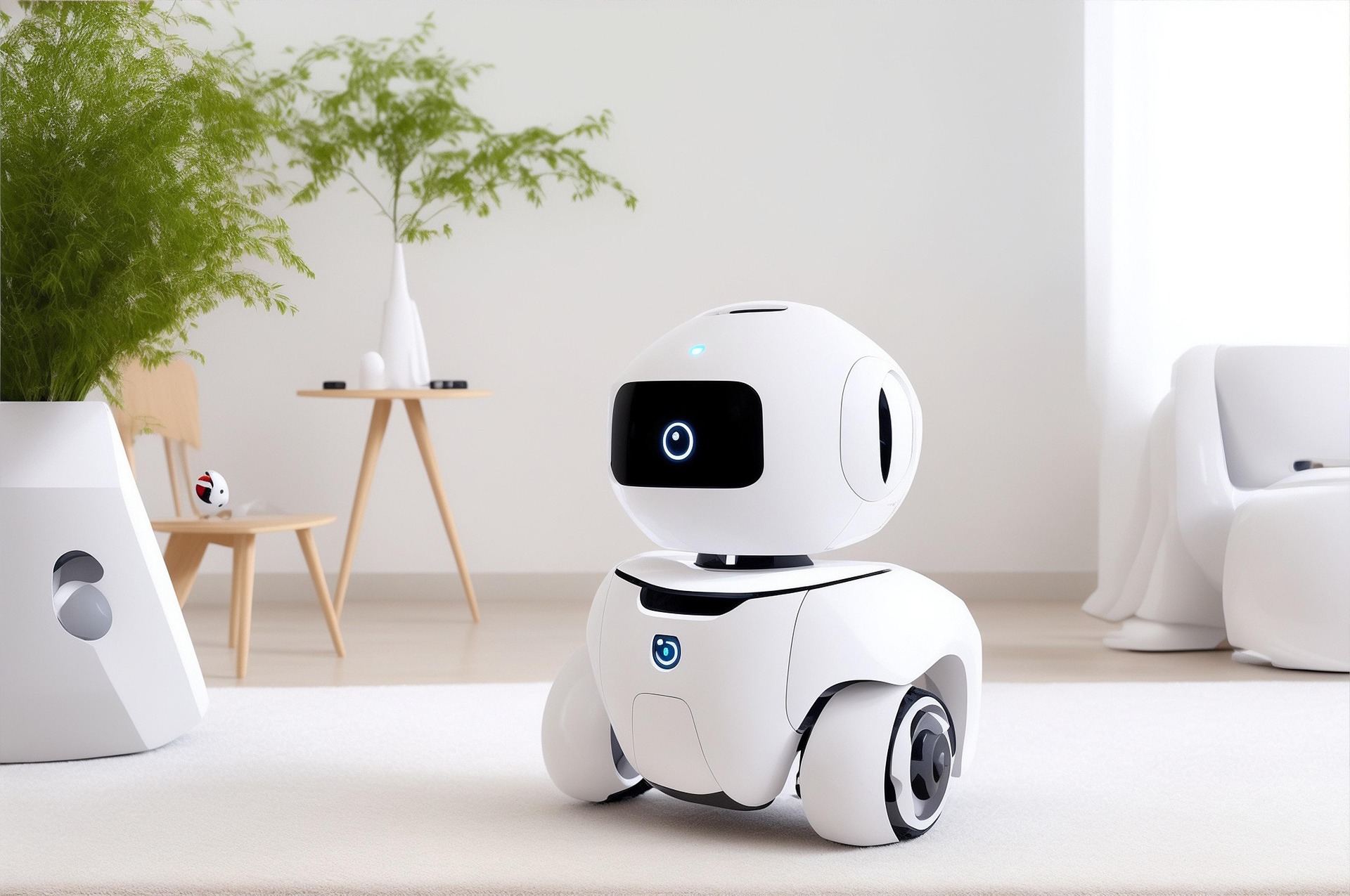
Artificial intelligence is now deeply integrated into teenagers’ everyday lives. It influences how they engage with the digital world through educational platforms, social media, entertainment services, and communication tools. Although AI provides substantial benefits, it also creates challenges that require careful understanding and responsible management.
Positive Impacts of AI on Teenagers
1. Improved Learning and Education
AI-driven learning platforms personalize education according to each learner’s pace and preferred learning style. Teenagers can immediately access explanations, practice resources, and feedback, enabling them to understand complex subjects more effectively.
2. Increased Productivity and Creativity
AI tools help teenagers manage tasks, refine content, and develop creative concepts. By providing writing support and design recommendations, these tools allow young users to dedicate more attention to creative work instead of repetitive activities.
3. Access to Information and Opportunities
Artificial intelligence provides rapid access to information, online courses, and resources for developing skills. As a result, teenagers can build digital competencies, investigate potential career paths, and even launch online businesses at an early age.
Negative Impacts of AI on Teenagers
1. Overdependence on Technology
Overdependence on AI tools can weaken critical-thinking and problem-solving skills. Teenagers may rely on immediate answers instead of cultivating their own reasoning abilities.
2. Privacy and Data Security Concerns
Many AI systems rely on collecting personal data to operate effectively. Teenagers may not fully recognize the risks of sharing this information, which could leave them vulnerable to privacy violations or the misuse of their personal data.
3. Social and Mental Health Challenges
AI-powered social media algorithms may promote prolonged screen use and social comparison, which can increase stress and anxiety while reducing face-to-face interaction. Without appropriate balance, this may hinder emotional development.
The Importance of Responsible Use
To gain the greatest benefits while reducing potential risks, teenagers require support from parents, educators, and their communities. Digital literacy, ethical understanding, and responsible usage habits are crucial for navigating environments shaped by AI.
It is essential to teach teenagers to use AI as a tool that supports, rather than replaces, human reasoning.
Conclusion
Artificial intelligence significantly shapes teenagers’ lives, creating both benefits and potential risks. When used responsibly, it can support learning, foster creativity, and expand access to information. However, a lack of awareness and balance may undermine critical thinking, compromise privacy, and harm mental well-being.
Developing a balanced understanding of AI helps teenagers become informed, responsible, and capable digital citizens.
Understanding the Long-Term Effects of Artificial Intelligence on Teenagers
The influence of artificial intelligence on teenagers extends beyond everyday convenience. As AI becomes increasingly integrated into education, entertainment, communication, and personal decision-making, its effects may also influence how young people develop knowledge, establish relationships, and understand the world around them. These changes make it important to examine not only the immediate advantages of AI but also its potential long-term consequences.
Adolescence is an important period of cognitive, emotional, and social development. During these years, teenagers gradually develop independent judgment, emotional regulation, personal identity, and decision-making abilities. Technology that interacts with them regularly can become part of their learning environment and daily habits.
However, the relationship between AI use and adolescent development is complex. The presence of artificial intelligence does not automatically produce positive or negative outcomes. Its effects depend on the technology being used, the purpose of its application, the user's maturity, and the guidance available from adults.
How AI Influences Teenagers' Thinking and Cognitive Development
1. Changes in Critical Thinking and Independent Reasoning
Generative AI can produce explanations, summaries, translations, and solutions within seconds. While these capabilities make information more accessible, they also introduce a challenge: teenagers may become accustomed to receiving completed answers without understanding the reasoning behind them.
For example, students who consistently ask AI to complete mathematics exercises may obtain correct-looking answers without developing the ability to solve similar problems independently. The same concern applies to essay writing, scientific assignments, and analytical tasks.
UNESCO's 2023 guidance on generative AI in education and research emphasizes the importance of maintaining human agency when using AI technologies. Its recommendations highlight that AI should support human learning and intellectual development rather than replace the thinking process.
Teenagers can reduce this risk by attempting to solve problems independently before consulting AI. They should also compare explanations, examine evidence, and identify possible errors instead of automatically accepting generated responses.
2. Developing New Skills for the Future
Artificial intelligence is also creating opportunities for teenagers to develop skills that may become increasingly useful in modern workplaces. Learning how to communicate with AI systems, evaluate digital information, organize data, and understand basic automation can strengthen their technological knowledge.
Teenagers interested in programming, graphic design, writing, research, and digital entrepreneurship can use AI as a learning companion. It can provide explanations, suggest improvements, and help beginners understand unfamiliar concepts.
Nevertheless, familiarity with AI tools should not be confused with professional expertise. A teenager who can generate computer code using AI still needs to understand programming logic, identify security problems, and evaluate whether the generated code works correctly.
Artificial Intelligence, Social Media, and Teenagers' Mental Health
1. Personalized Algorithms and Digital Habits
Many digital platforms use artificial intelligence to recommend videos, posts, advertisements, and other content based on user activity. These recommendation systems can make online experiences more relevant, but they may also encourage users to spend longer periods interacting with digital platforms.
Teenagers who frequently consume recommended content may encounter repetitive information, unrealistic lifestyle comparisons, or material that reinforces particular interests and beliefs. Their online experiences can gradually become narrower when recommendation systems repeatedly prioritize similar content.
The U.S. Surgeon General's 2023 advisory on social media and youth mental health reported that up to 95% of teenagers aged 13–17 used social media platforms. Nearly two-thirds reported using social media every day, while one-third said they used it almost constantly.
These figures describe social media use rather than AI exposure specifically. However, they demonstrate why algorithm-driven digital environments deserve attention when discussing the relationship between technology and adolescent well-being.
2. Emotional Dependence on AI Companions
Some AI applications are designed to simulate conversations, provide companionship, or respond to emotional messages. Their ability to produce natural-sounding responses can make interactions feel personal, particularly for teenagers who frequently communicate with digital assistants.
Although these tools can provide entertainment and conversational support, they cannot fully replace genuine human relationships. AI systems do not experience emotions, understand personal situations in the same way humans do, or possess the responsibilities associated with professional mental health care.
UNICEF's updated guidance on AI and children identifies AI companions as an important area requiring attention. The organization emphasizes that AI systems affecting children should prioritize safety, privacy, transparency, fairness, and their overall well-being.
Teenagers should therefore understand the difference between simulated emotional responses and genuine human understanding. Conversations with AI should complement healthy relationships with family members, friends, teachers, and other trusted individuals.
Privacy, Security, and the Risks of Sharing Personal Information
1. Understanding How AI Uses Personal Data
Many AI applications process information submitted by users to generate responses or provide personalized services. Depending on the platform's privacy policy and technical configuration, submitted information may be stored, processed, or used in different ways.
Teenagers may not always recognize the consequences of sharing personal details through online conversations. Information such as home addresses, telephone numbers, school details, passwords, private photographs, and financial information should never be shared carelessly with unfamiliar services.
UNICEF's guidance on AI and children identifies data protection and privacy as essential requirements for child-centered AI systems. It also highlights the importance of transparency, accountability, and appropriate safeguards when technologies interact with young users.
2. Deepfakes, Manipulated Images, and Digital Identity
Advances in generative AI have made it easier to create realistic-looking images, audio recordings, and videos. Although these capabilities can support creative projects and entertainment, they can also be misused to create misleading content or manipulate someone's digital identity.
Teenagers may become targets of impersonation, fabricated photographs, misleading recordings, and online harassment. Content that appears authentic can circulate rapidly before its accuracy has been established.
Developing media literacy is therefore essential. Young users should learn to verify the original source of digital content, examine suspicious claims, and avoid distributing material whose authenticity cannot be confirmed.
They should also understand that consent remains important when using AI to modify another person's image or voice. Creating or distributing manipulated intimate material without consent can cause serious harm and may violate applicable laws.
The Role of Parents and Schools in Responsible AI Education
1. Parents as Guides in Digital Development
Parents play an important role in helping teenagers develop healthy relationships with technology. Rather than simply prohibiting AI applications, families can discuss their benefits, limitations, privacy risks, and appropriate uses.
The American Psychological Association's 2023 Health Advisory on Social Media Use in Adolescence recommends developmentally appropriate adult monitoring for most young people during early adolescence, typically between the ages of 10 and 14. Its recommendations emphasize discussion, guidance, and coaching while respecting teenagers' growing need for privacy and independence.
Although this advisory focuses on social media rather than every type of AI application, its developmental principles are relevant when families establish boundaries for teenagers' digital activities.
2. Schools and the Development of AI Literacy
Educational institutions can help students understand how artificial intelligence works and where its limitations become important. AI literacy should include more than learning how to operate applications. Students also need to understand inaccurate outputs, algorithmic bias, privacy protection, copyright considerations, and responsible digital behavior.
UNESCO recommends a human-centered approach to generative AI in education. Its guidance encourages educational institutions to consider age-appropriate access, data protection, ethical responsibilities, and the preservation of meaningful human involvement in teaching and learning.
Teachers can introduce assignments that require students to explain their reasoning, verify AI-generated information, and identify weaknesses in automated answers. These activities help students recognize that technology can provide assistance without becoming the final authority.
Practical Ways Teenagers Can Use AI Safely
Responsible AI use does not require teenagers to avoid modern technology entirely. Instead, they need practical habits that allow them to benefit from its capabilities while protecting their development, privacy, and relationships.
- Think independently first: Attempt assignments and problems before asking AI for assistance.
- Verify important information: Compare AI-generated answers with reliable educational materials and authoritative sources.
- Protect personal information: Avoid submitting passwords, private documents, sensitive photographs, or unnecessary identifying details.
- Maintain real relationships: Make time for conversations, friendships, family activities, and face-to-face communication.
- Establish healthy digital habits: Ensure technology use does not interfere with sleep, physical activity, school responsibilities, or other important activities.
- Recognize AI limitations: Remember that generated answers can contain inaccurate information, misleading explanations, or fabricated references.
- Use AI ethically: Follow school policies, acknowledge assistance when required, and avoid presenting generated work dishonestly.
- Seek human assistance when necessary: Discuss serious emotional, personal, educational, or safety concerns with trusted adults and qualified professionals.
What Experts Recommend About AI and Children
Several international organizations have established recommendations that provide a foundation for evaluating how artificial intelligence should interact with younger users.
UNICEF: Protecting Children's Rights
UNICEF's updated Policy Guidance on AI and Children identifies ten requirements for child-centered AI. These include safety, privacy protection, fairness, transparency, accountability, inclusion, and support for children's development and well-being.
UNESCO: Keeping Education Human-Centered
UNESCO's Guidance for Generative AI in Education and Research, published in 2023, emphasizes human-centered implementation. It recommends appropriate safeguards, data privacy protection, and meaningful human involvement in educational activities.
American Psychological Association: Supporting Adolescent Development
The American Psychological Association highlights the importance of considering teenagers' developmental differences when evaluating digital experiences. Its recommendations emphasize digital literacy, appropriate adult guidance, healthy social interactions, and protection against potentially harmful online content.
U.S. Surgeon General: Understanding Youth Digital Risks
The U.S. Surgeon General's 2023 advisory explains that available scientific evidence does not establish social media as sufficiently safe for all children and adolescents. It calls for greater awareness, research, and practical measures to reduce potential risks associated with young people's digital environments.
Conclusion: Building a Healthy Relationship Between Teenagers and AI
Artificial intelligence is becoming an important part of the environment in which teenagers learn, communicate, and develop new skills. Its capabilities can improve access to education, encourage creativity, and introduce young people to technologies that may influence future careers.
At the same time, excessive dependence, privacy violations, misinformation, manipulated digital content, and unhealthy online habits deserve serious attention. These challenges demonstrate why access to advanced technology should be accompanied by education, appropriate safeguards, and responsible guidance.
Findings and recommendations from UNICEF, UNESCO, the American Psychological Association, and the U.S. Surgeon General reinforce the importance of protecting young people's development and well-being in increasingly digital environments.
The most valuable approach is not to make teenagers completely dependent on artificial intelligence or prevent them from using it altogether. Instead, they should learn to evaluate information, think independently, protect their privacy, and maintain meaningful human relationships.
Ultimately, artificial intelligence should remain a supporting technology rather than a replacement for human judgment, creativity, education, and emotional connection. Preparing teenagers to use AI responsibly will help them participate more confidently and safely in an increasingly technology-driven society.
References and Further Reading
The following publications provide additional information and research-based recommendations concerning artificial intelligence, adolescent development, education, and digital safety.
-
UNICEF (2025). Guidance on AI and Children, Version 3.0.
Policy recommendations covering child safety, privacy, fairness, transparency, and the responsible development of AI systems.
Read the UNICEF guidance. -
UNESCO (2023). Guidance for Generative AI in Education and Research.
Recommendations for human-centered and responsible AI use in education and research.
Read the UNESCO guidance. -
American Psychological Association (2023). Health Advisory on Social Media Use in Adolescence.
Scientific recommendations concerning adolescent development, social media, and digital environments.
Read the APA advisory. -
U.S. Surgeon General (2023). Social Media and Youth Mental Health.
Public health findings and recommendations concerning social media use among young people.
Read the advisory.
Frequently Asked Questions
1. Is artificial intelligence harmful to teenagers?
AI is not inherently harmful. Its effects depend on how teenagers use it, the quality of the technology, their age, and the guidance available to them.
2. Can AI reduce teenagers' critical-thinking abilities?
Excessive dependence on automated answers may reduce opportunities to practice independent reasoning. Using AI to examine ideas and understand difficult subjects, rather than simply copy answers, can help preserve active learning.
3. Should teenagers use AI for school assignments?
Teenagers can use AI as a learning aid when permitted by their schools. They should verify information, understand the material, and follow academic integrity policies.
4. What are the biggest AI-related privacy risks for teenagers?
Potential risks include unnecessary personal data collection, unauthorized disclosure, impersonation, and misuse of private images or information. Teenagers should review privacy policies and avoid sharing sensitive details.
5. How can parents help teenagers use AI responsibly?
Parents can encourage open discussions, explain online risks, establish age-appropriate boundaries, and teach teenagers to verify information while gradually developing independent digital judgment.